
As an Amazon Associate I earn from qualifying purchases
Modern remakes are no longer just revisiting the past. Increasingly, they are replacing it.
As the industry continues releasing new titles, more companies are turning to their back catalogs. Development costs have skyrocketed, often reaching hundreds of millions of dollars. To remain profitable, studios lean on safer bets. Remakes fill gaps in release schedules and reintroduce proven franchises to a new generation.
On paper, that sounds like a win. In practice, it exposes a growing problem.
Are They Replacing?
Remakes are shifting away from preservation and reinterpretation. They are becoming replacements.
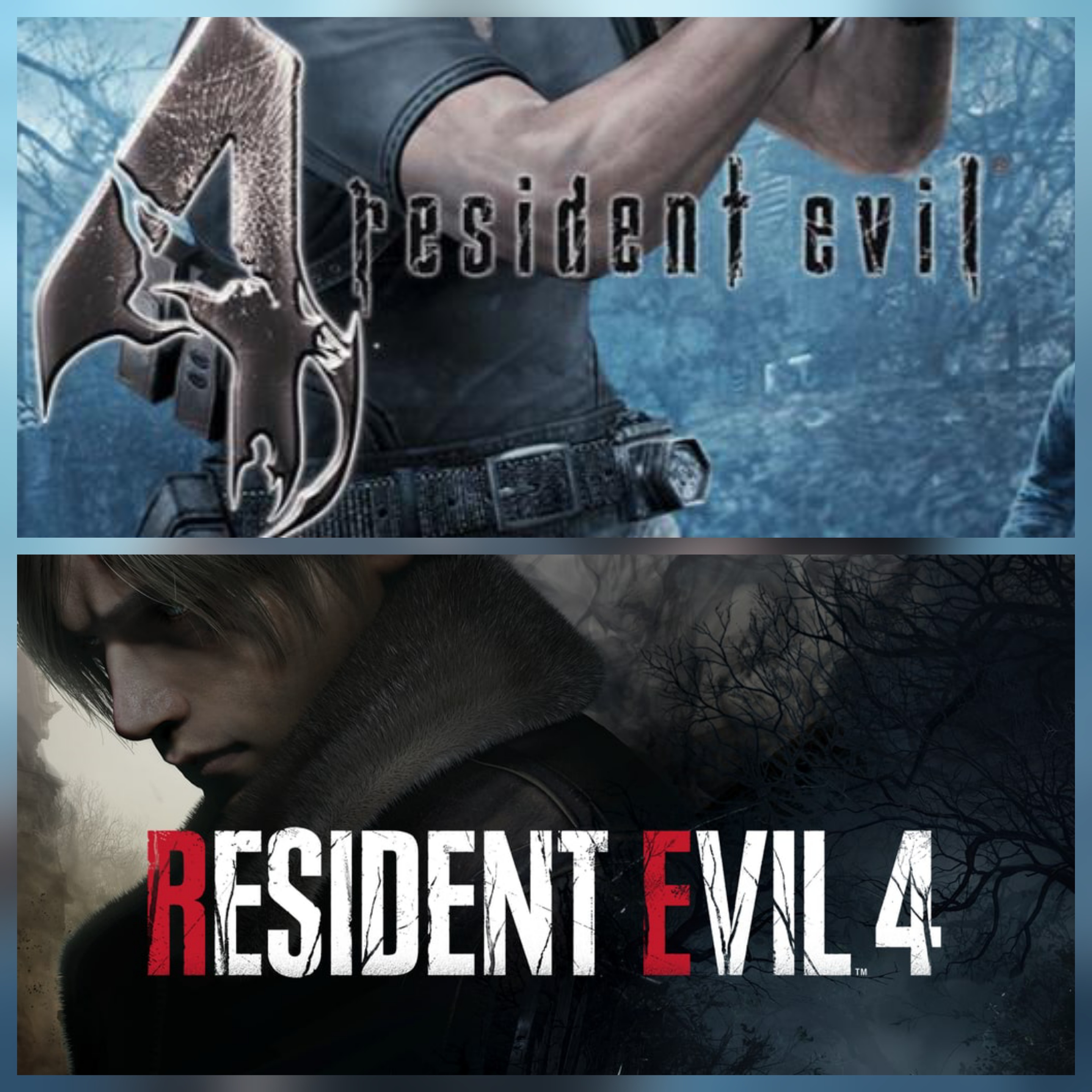
Titles like Resident Evil 4, Fatal Frame II, and Dragon Quest I & II HD-2D Remake highlight how classics are being revived for modern audiences. The appeal is obvious. Nostalgia is paired with updated visuals, smoother performance, and modern design standards.
The issue is not that remakes exist. The issue is how they are positioned and executed.
A telling example comes from Capcom and its handling of the Resident Evil series. In an older interview tied to releases on GOG, a producer questioned why anyone would want to play the original versions. The remakes, they suggested, were the definitive experience.
That mindset reveals a larger shift. Remakes are no longer alternatives. They are being framed as replacements.
This was not always the case. Historically, remakes and originals coexisted. Communities, including comparison-focused creators, examined differences in tone, gameplay, and design. Each version offered something unique. Players had reasons to experience both, and debates about which was better often came down to preference.
That Balance is Disappearing
Today, the shift is not just technical. It is philosophical. We are moving from translation to revision.
A translation preserves intent while making a work more accessible. A revision alters that intent to fit modern expectations. Many modern remakes fall into the latter category. Instead of preserving tone and design philosophy, they reshape them. The result often feels disconnected from what made the original work.
At its worst, this produces something closer to bad fan fiction. The surface details are there, but the core meaning is lost.
Consider a Few Examples

In (paid link) Resident Evil 4 Remake, dialogue is constant during gameplay. Characters deliver Marvel-style quips mid-combat, often commenting on obvious events. In the original, the campiness was mostly contained to cutscenes. Here, it bleeds into gameplay and undercuts tension. The tone shifts away from survival horror.
In (paid link) Demon’s Souls Remake, changes to art direction and music reshape the atmosphere. Enemy designs and environments differ significantly. The Fat Officials, once masked figures with a grounded, human presence, are reimagined as grotesque monsters. Musical choices also feel misplaced, such as in the Prison of Hope, where tracks clash with the tone of the area. These changes affect how players interpret the world and its lore.
In (paid link) Silent Hill 2 Remake, pacing is extended to match modern expectations for longer games. The original delivered a focused experience of roughly ten hours. The remake stretches this by increasing combat encounters, which were already one of the weaker elements. This dilutes the psychological focus and makes the experience feel drawn out.
In (paid link) Tony Hawk’s Pro Skater 3 & 4 Remake, changes to art style and soundtrack impact the game’s identity. Key music tracks are absent, and stylistic elements that defined the originals are reduced or removed. While the gameplay structure remains, much of the cultural identity is lost.
Looking Further
These are not isolated issues. They point to a broader trend. Some remakes prioritize personal interpretation over original intent. When tone, design philosophy, and purpose are overlooked, the result feels less like a reinterpretation and more like a replacement built on incomplete understanding.
To be clear, not all remakes fail. Some succeed by preserving what matters while improving what does not. Dead Space Remake (paid link) is a strong example. It updates technical limitations without redefining the experience. It understands the original and builds on it.
But those cases are not the concern. The concern is the growing number that do not.
Preservation is already fragile. Licensing complicates access to older games, especially those from later console generations. Music, branding, and other licensed content often expire. When that happens, games are delisted. They disappear from storefronts and become increasingly difficult to access.
When the original is gone and only the remake remains, the remake becomes the historical record by default.
That creates a second problem. Not just how games are made, but how they are discussed.
Criticism or Critique?
Criticism of remakes is often treated as a personal attack rather than a critique of the product. In one case, a YouTuber reviewed Paper Mario: The Thousand-Year Door Remake (paid link) and was pressured into taking the video down after backlash. The issue was not misinformation. It was the refusal to offer praise.
This reaction discourages meaningful discussion. Many defending these games have not experienced the originals. Others have only engaged with them briefly. Without access to the original, criticism becomes easier to dismiss, and perception begins to shift.
Over time, that perception can become reality. One version is treated as flawless. The other is forgotten.
Without preservation, there is no point of comparison. There is only what remains.
Preservation Should be the Priority
Original versions should remain accessible through digital storefronts or bundled releases. Remakes should focus on technical improvements such as performance, load times, and stability. When creative changes are made, they should be deliberate and justified, not revisionist.
Remakes should honor the original. Not overwrite it.
That is my perspective. What do you think? Is there a better way to balance modernization with preservation?

Your friendly neighborhood nerd with a passion for games, anime and New York Yankees
Leave a Reply