
As an Amazon Associate I earn from qualifying purchases
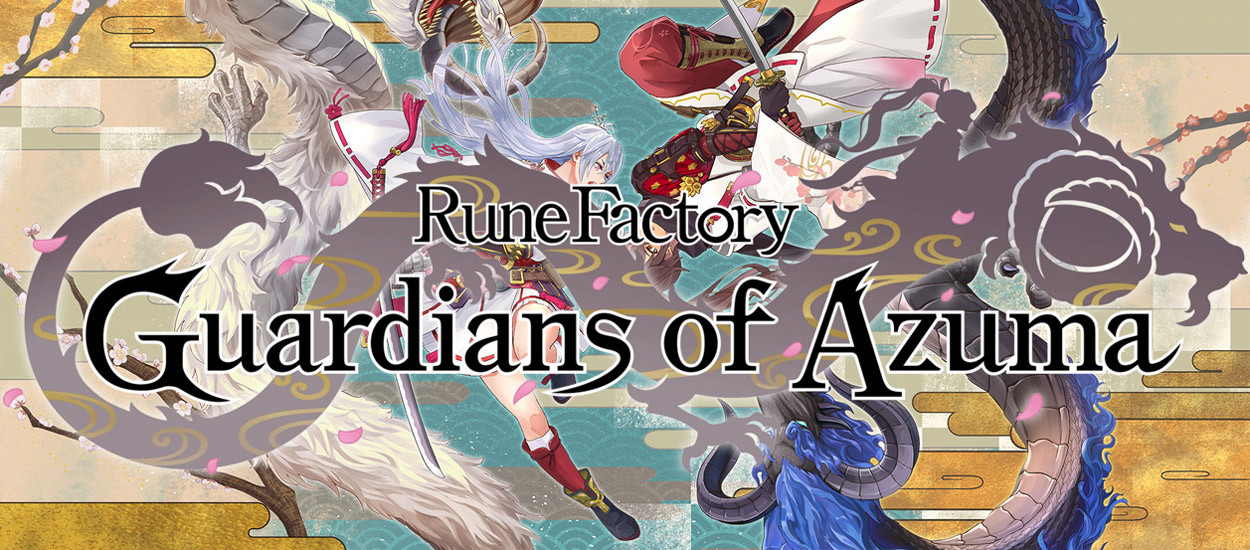
Rune Factory: Guardians of Azuma
Played on (paid link) Switch 2
Completion Breakdown:
- 110 hours played
- Main story & postgame cleared
- All 4 villages maxed
- 100% collectibles & side quests
- 75% social bonds (didn’t finish every romance route)
Intro
Guardians of Azuma is one of the few original Switch 2 releases outside of (paid link) Mario Kart World that isn’t a remaster or port—and it might just be the system’s most underrated title so far.
I played at a relaxed pace, seeing most of what the game had to offer without chasing every last requirement. What stood out most were the characters, supported by a familiar but enjoyable gameplay loop. Where the game struggles is in its storytelling. Let’s dive in.
Characters
The cast is easily the highlight of Guardians of Azuma. Nearly everyone is likable, and their personal arcs bring life to the world. My favorites were Pilika and Iroha, while Kotaro and Kusatsu didn’t click as much. With over 30 characters and 20 romance options, there’s someone for almost every player to connect with, even if the humor occasionally leans too hard on HR approved jokes.
The bonding system, however, holds things back:
Gifts are frustrating to figure out without a guide.
A lot of content—including postgame—is locked behind high bond levels and total day count. (Almost 2 in game weeks for certain content)
Some romance/characters arcs are gated for too long.
Even with those flaws, the characters are what kept me invested for over 100 hours. When other systems felt thin, I stuck around because I wanted to see how individual stories would play out.
And those stories don’t unfold in isolation—they’re tied directly into the farming and village-building systems.
Gameplay
At its core, the loop blends farming, social bonding, dungeon crawling, and village building. It’s familiar to anyone who’s played Rune Factory before, but with enough tweaks to make it more engaging.
Farming:
Simple, but functional. Villagers can automate chores later, though their scattershot planting makes a mess of your fields. Also be sure to discriminate with extreme prejudice. The ones allocated to you each day are not the always the best to keep. (Level 3 and under evict asap)
Village Building:
Expansions give you more space and customization, but upgrades rely on piling up random junk to boost stats, which feels sloppy. All of the villages just turn into a junk yard because of the decoration piling.
Combat:
Extremely easy. God-treasure attacks trivialize fights, while party members barely contribute. Your back will be hurting from all the carrying you’ll be doing.
Exploration:
Equipment-based gating limits progress. Rewards—recipes, collectibles, materials—are useful but rarely exciting. Especially when it has to do with a certain terrible fishing mini game.
The weakest side content by far is the fishing quest. It’s long, RNG-heavy, and offers disappointing rewards.
However it’s not all a negative. One system worth highlighting is what I call “Days of Future Past.” Since character arcs cap at romance, there is a time travel/ dimension hopping mechanic that lets you reset marriages and explore other relationship storylines without replaying the entire game. It’s one of the few clever quality-of-life features that balances out the grind.
That said, the gameplay is mostly there to support the narrative—but the narrative doesn’t always hold up its end.
Story
The premise is strong: a disaster strips Azuma’s gods of their powers, a Blight spreads across the land, and your chosen protagonist—Suburu or Kaguya—sets out to restore both the gods and their own memories.
The execution, though, is uneven. The Blight is framed as catastrophic but rarely feels threatening. Only Spring Village conveys real stakes: its empty homes, shuttered shops, and dead Sakura tree that revives after you restore its god. The other villages have fun gimmicks (a god hiding in a box, another turned feral, one lounging in a bar), but their problems resolve too quickly, often through fetch quests. Aka the second worst quest type outside of escort missions.
The protagonist also suffers from being half-written, half self-insert. That split weakens both approaches—fully committing to Suburu and Kaguya as defined leads would have made the story stronger.
Structurally, the game leans on a classic three-act setup:
Discovery – Learning about the gods and the Blight.
Redemption – Your childhood friend becomes corrupted, forcing a choice to save or sacrifice them (though the “save” option is the obvious path).
Final Arc – A faction revives an ancient dragon god, but the climax feels rushed and weak.
The villains are standard archetypes, with Clarice standing out as the most nuanced—but even her big decision is robbed of impact since there’s no real consequences.
By the end, the story feels more like a backdrop for the gameplay loop and character interactions than a compelling journey on its own.
Postgame
Once the credits roll, the focus shifts heavily to marriage and your child. If you’ve already chosen a partner, the postgame flows smoothly. If not, expect a grind before unlocking the content.
There’s some fun in pushing villages further and exploring side quests, but much of it feels like filler. You can clear it in under 5 hours by sticking to the main content, or stretch it to 20+hours if you pursue upgrades and side quests.
Technical Side & Presentation
Performance on Switch 2 is solid overall, with only occasional frame dips in crowded areas. The art style is striking, and sticking to in-engine cutscenes keeps presentation consistent—even if that means your junk piles sometimes photobomb dramatic moments.
The menus are less polished. The cooking menu in particular is cluttered and badly needs filters or categories. Who thought that having a continuous line of menu items over 100 items long with no filters was a good idea?
Music is catchy and suits the setting, but extended farming or fishing sessions make tracks feel repetitive. Don’t get me started on the combination of repetition of music and repeating dialogue if you accidentally bring party members with you while fishing.
Final Thoughts
Rune Factory: Guardians of Azuma is a flawed but rewarding experience. Its story underdelivers, but the characters and gameplay loop kept me hooked for over 100 hours.
With a few performance patches and quality-of-life updates, it could easily become one of the (paid link) Switch 2’s hidden gems. If you’re on the fence, it’s worth a try—just don’t expect the story to carry the weight.

Your friendly neighborhood nerd with a passion for games, anime and New York Yankees
Leave a Reply